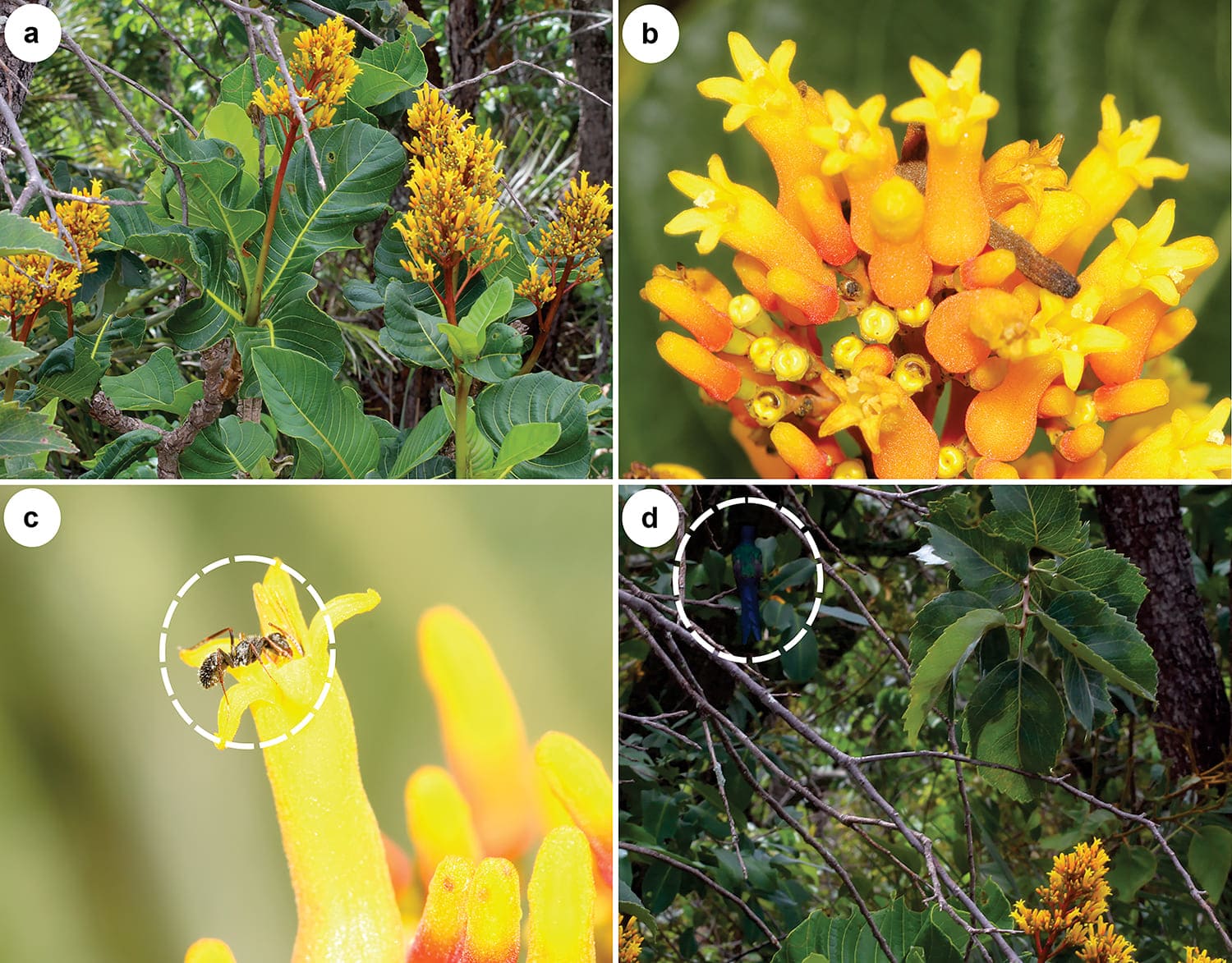
The flora of the Cerrado is highly adaptable to climatic and edaphic variability, yet climate change and anthropogenic activities pose increasing challenges. Water is a vital resource for plant physiological and reproductive processes, and directly influences floral traits and pollinator visitation.
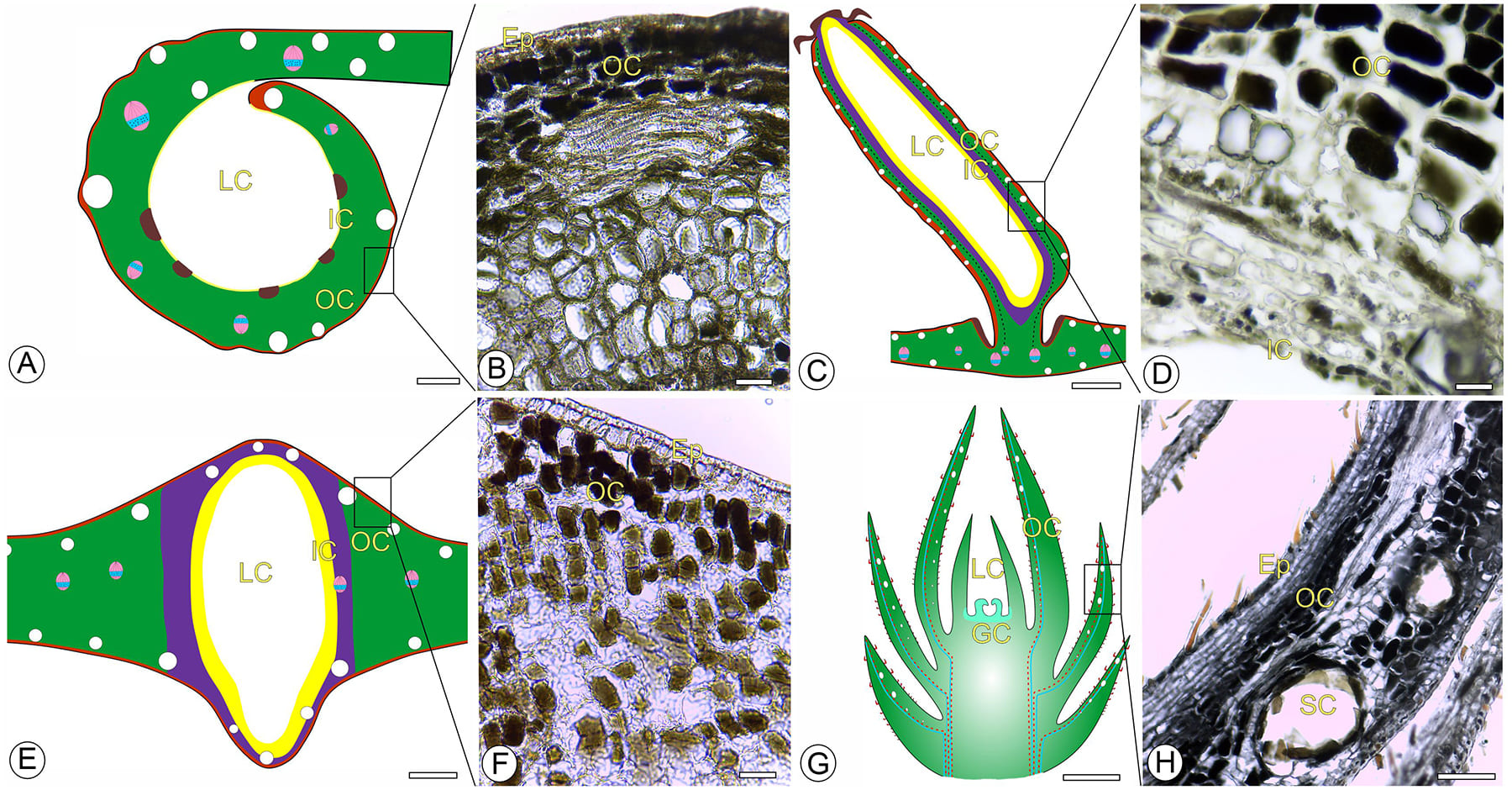
The Myrtaceae is rich in phenolics and volatile terpenoids and has many reported associations with gall inducers in Brazilian restinga. These metabolites protect plants against both biotic and abiotic stresses, but also play a crucial signaling role in plant-herbivore interactions, especially on superhosts like Neomitranthes obscura.
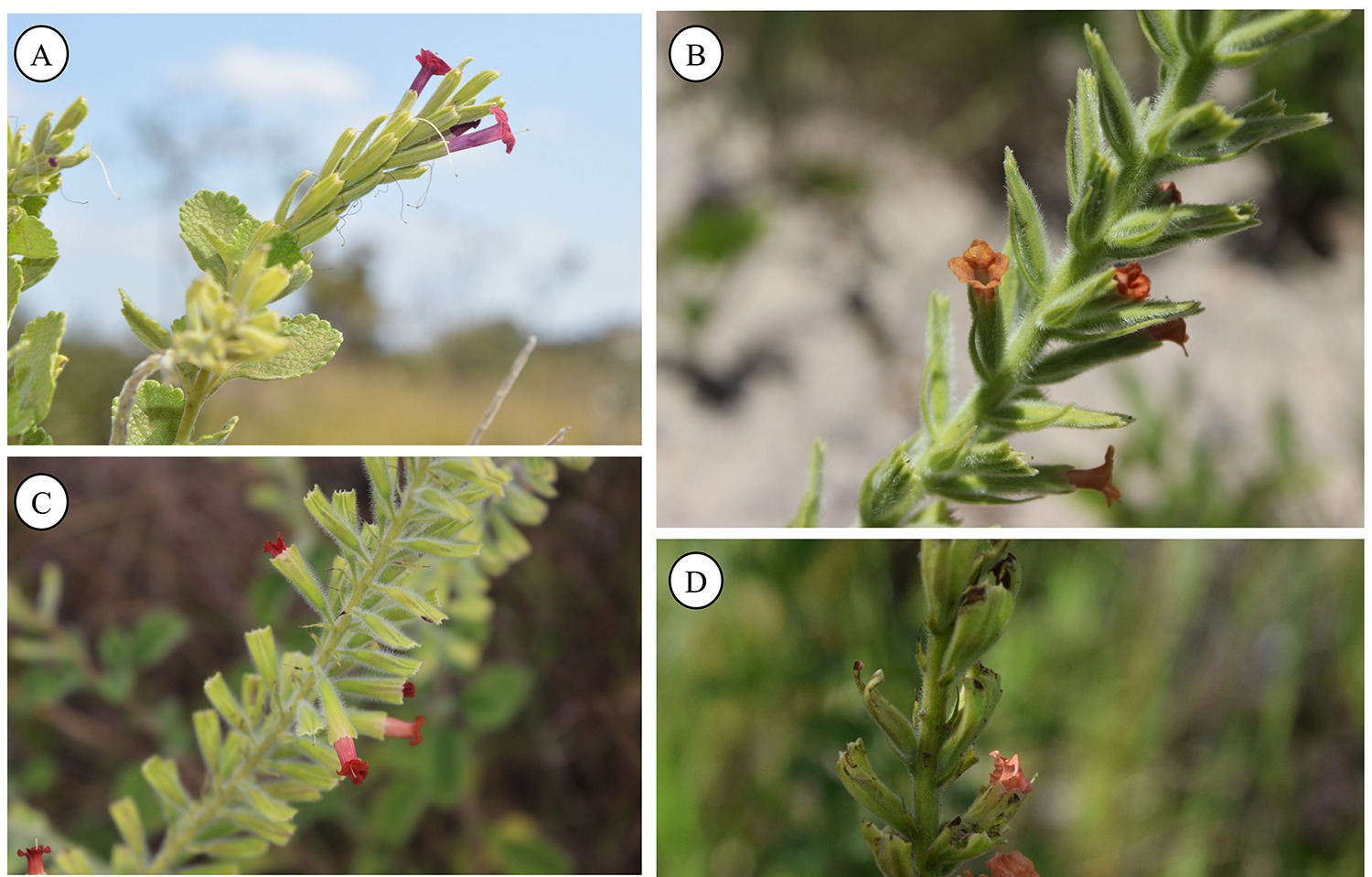
Palynological studies provide valuable data for taxonomy, particularly in supporting species delimitation. The genus Stachytarpheta includes a smaller group of seven species with pedicellate flowers and salmon- or wine-colored corollas, which are restricted to the Brazilian Cerrado.
Corresponding Author: Pâmela Timóteo Patrício da Silva
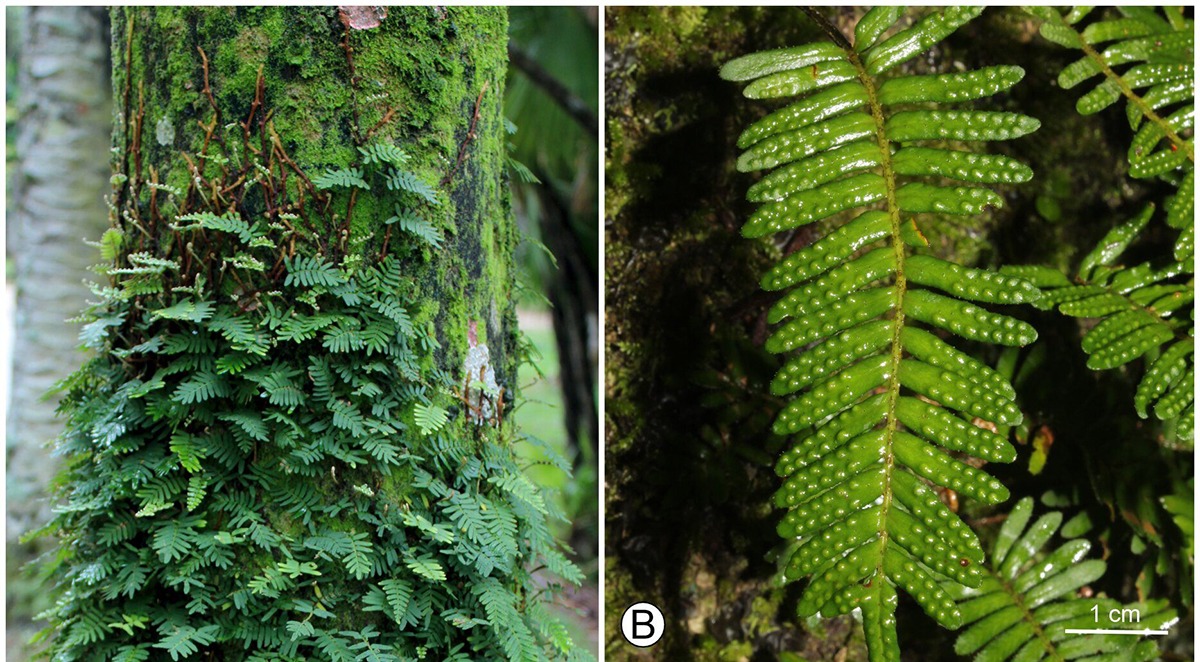
The structure and function of fern galls are poorly studied, especially those occurring in poikilohydric ferns such as Pleopeltis minima (Polypodiaceae), which hosts globoid Cecidomyiidae galls on fronds.
Historical woods express cultural relations around the use of biodiversity by human societies. This article presents an overview of woods used for cultural purposes in Brazil based on the epistemological concept of historical anatomy.
Corresponding Author: João Carlos Ferreira de Melo Júnior
This study investigated the impact of abiotic factors (elevation and precipitation) on the functional diversity and
composition of Fissidens in the Brazilian Atlantic Forest.